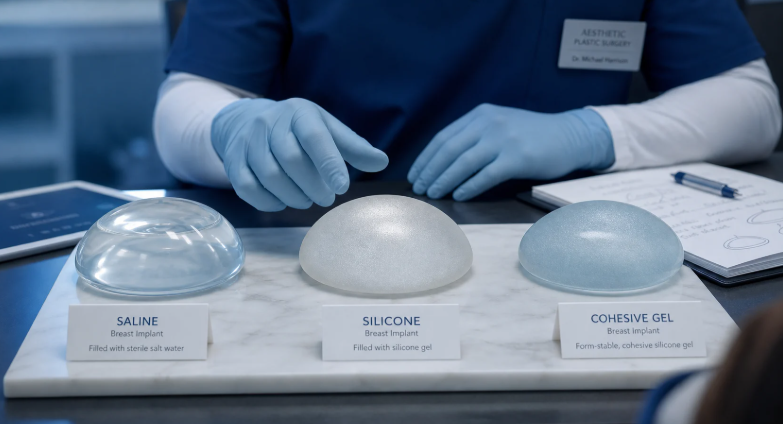

Cohesive gel breast implants, often called form-stable or “gummy bear” implants, have changed the expectations many people have for breast augmentation and reconstruction. Their thicker silicone gel maintains shape more consistently than traditional implants, which can produce a different aesthetic both immediately after surgery and over time. Understanding the typical transformation and a realistic recovery timeline helps patients set expectations for appearance, sensation, and activity levels as they heal.
What makes cohesive gel implants different
Cohesive gel implants are filled with a highly cohesive silicone that stays together even if the outer shell is compromised. This gives them a firmer feel and a teardrop-shaped profile that can look more natural for some body types. Because the gel is more stable, implant rupture is less likely to cause silicone migration. These physical properties influence both the surgical technique and the post-operative course. Surgeons may choose different incision locations or pocket placements to accommodate the implant’s shape and desired final contour, and patients may notice differences in how quickly the breasts settle into their final position compared with traditional saline or softer silicone implants.
Anticipating the transformation: immediate to six months
Immediately after surgery, swelling and the effects of anesthesia obscure the final look. Many patients report their breasts appear higher, firmer, and more rounded in the first weeks. This is a normal early stage. Over the first six weeks, soft tissue swelling gradually resolves and implants begin to “drop and fluff”—a process where the implant settles into a more natural position and the tissues soften around it. By three months, most of the visible settling has occurred, but subtle changes can continue up to a year. Visual examples of expected outcomes can be helpful, and many people look for online galleries or consult their surgeon to view real cases, including images labeled gummy bear implants before and after that demonstrate how shape and projection evolve.
Week-by-week recovery timeline
The first 48 to 72 hours typically involve the most discomfort, managed by prescribed pain medications and strict rest. Many surgeons recommend wearing a supportive surgical bra and avoiding lifting arms overhead for several days. By the end of the first week, pain usually decreases significantly and patients may return to light activities. Sutures, if not absorbable, are often removed within one to two weeks. Between weeks two and six, swelling continues to subside and patients can gradually increase activity as long as movements do not strain the chest. Most people resume non-strenuous work within one to two weeks depending on job demands.
At around six weeks, the implant pocket stabilizes, and patients can typically begin more vigorous exercise with the surgeon’s approval. From three to six months, the breasts continue to soften and the final contour becomes more apparent. Nerve sensation that was diminished immediately after surgery frequently improves during this period, though some patients experience longer-term changes in nipple or breast sensation. By nine to twelve months, scars have matured and become less noticeable, and the final aesthetic result is generally achieved.
Managing discomfort and scarring
Pain management is tailored to the individual and often includes short-term prescription medication followed by over-the-counter options. Ice packs and elevation can reduce swelling in the first days after surgery. Scar care becomes a focus after incisions have healed; silicone sheets, sun protection, and gentle massage—when advised by the surgeon—can help optimize scar appearance. Because cohesive gel implants can exert different pressure patterns on surrounding tissues, follow-up visits are important to ensure the implant is settling symmetrically and that scar tissue is not becoming overly firm.
Potential complications and when to contact your surgeon
Understanding potential complications helps patients identify issues early. Capsular contracture, infection, hematoma, implant malposition, and changes in sensation are possible. While the cohesive gel’s form stability may reduce some risks associated with rupture, no implant is risk-free. Persistent severe pain, fever, redness, sudden asymmetry, or fluid accumulation warrant prompt surgical review. Routine follow-up appointments allow clinicians to monitor healing, address concerns such as firmness or aesthetic dissatisfaction, and recommend interventions like physical therapy or, rarely, revision surgery.
See also: How to Find Employment When You Are Relocating
Lifestyle, longevity, and emotional considerations
Activity modifications during recovery are crucial for both safety and the aesthetic outcome. Smoking cessation and maintaining a healthy weight support healing and reduce complication risks. Cohesive gel implants are engineered for durability, but they are not lifetime devices; periodic monitoring and awareness of changes are essential. Emotionally, patients may experience a range of feelings from elation to temporary anxiety about appearance during the early swelling phase. Open communication with the surgeon and support from friends or professional counselors can ease this transition.
Choosing a surgeon and preparing for surgery
Selecting an experienced, board-certified plastic surgeon who has performed many cohesive gel implant procedures is one of the most important decisions. Preoperative consultations should include a discussion of goals, realistic outcomes, the surgeon’s technique preferences, and a review of before-and-after photos that match the patient’s anatomy. Clear preoperative instructions—such as adjusting medications, arranging transport, and preparing a recovery area at home—make the immediate post-op period smoother.
Cohesive gel implant transformations are a process that unfolds over months rather than days. Patience, adherence to postoperative guidance, and realistic expectations lead to the most satisfying long-term outcomes. With informed surgical planning and attentive follow-up care, many patients find that the final result closely aligns with their initial aesthetic goals and enhances body confidence.